

AC Energy Meter
Product Category
Contact Us
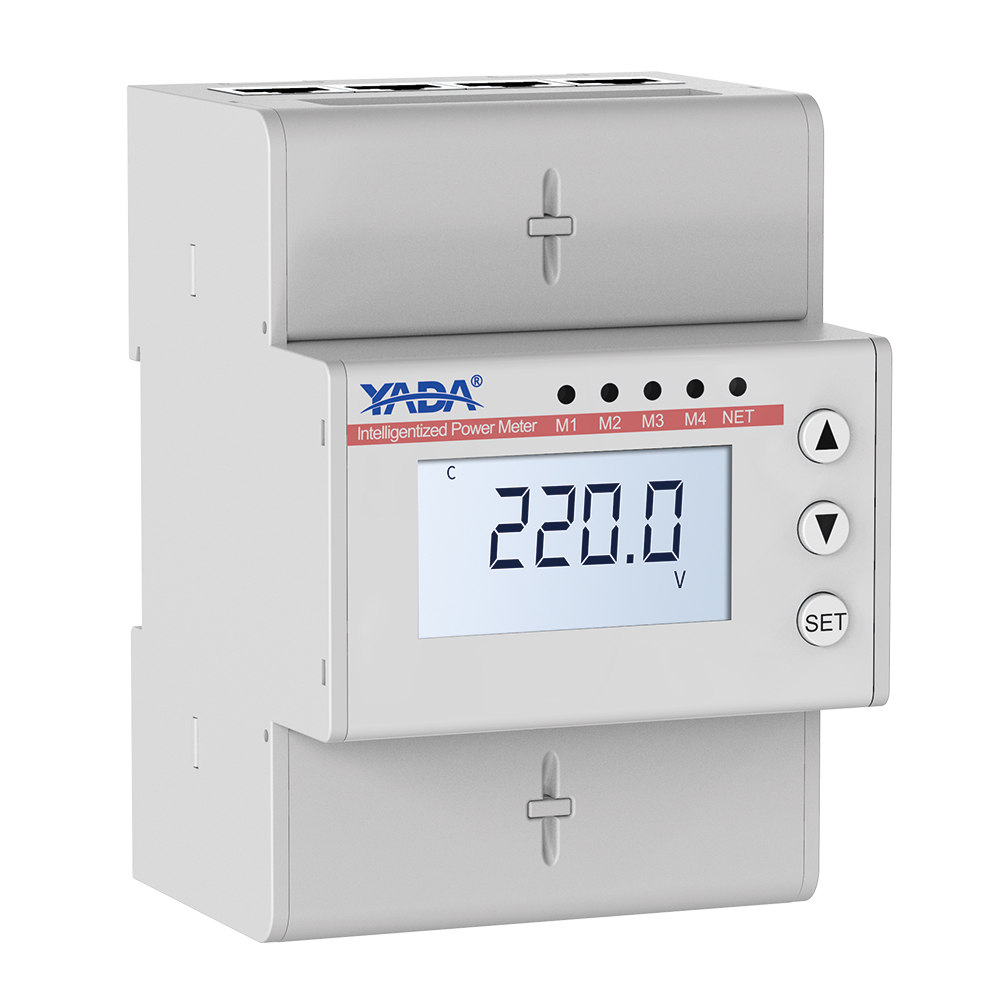
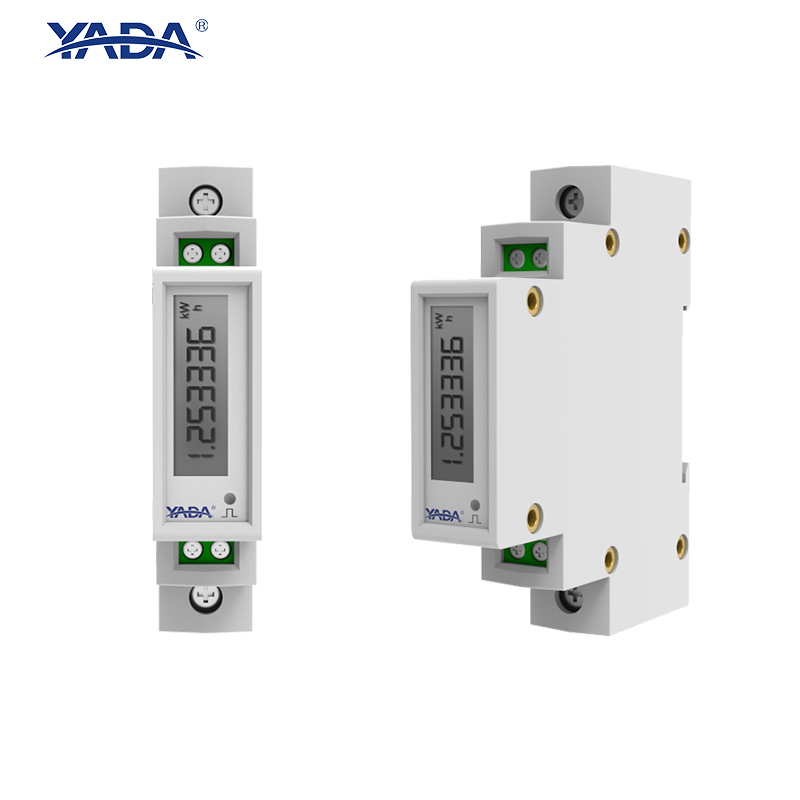
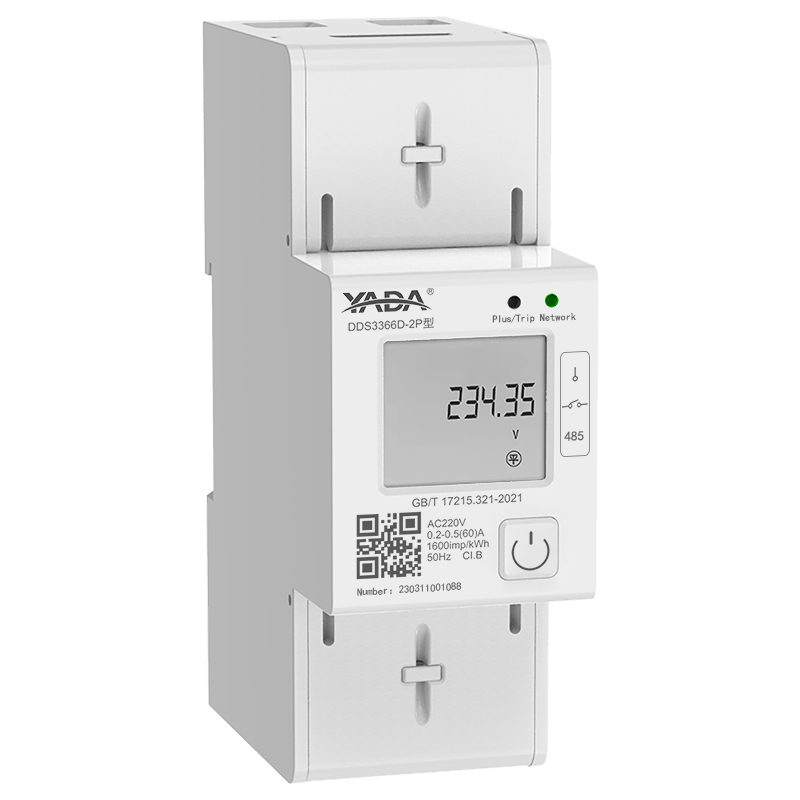
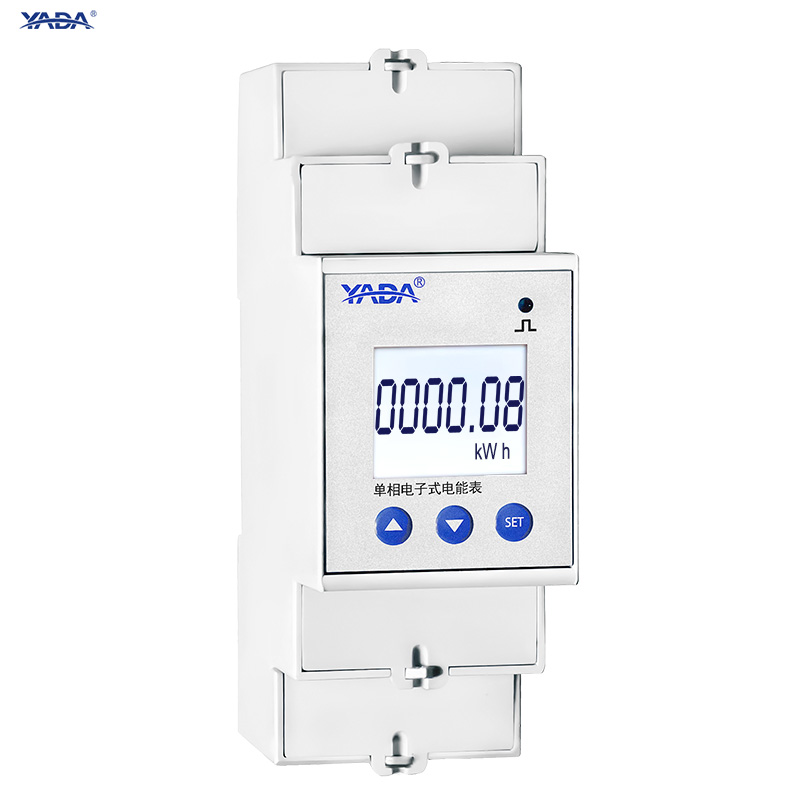
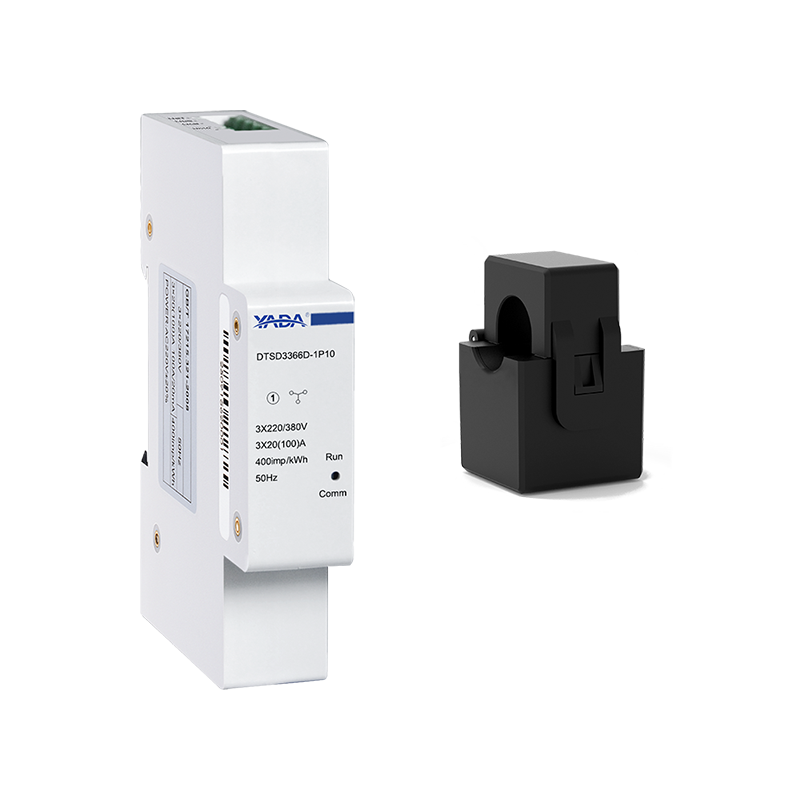
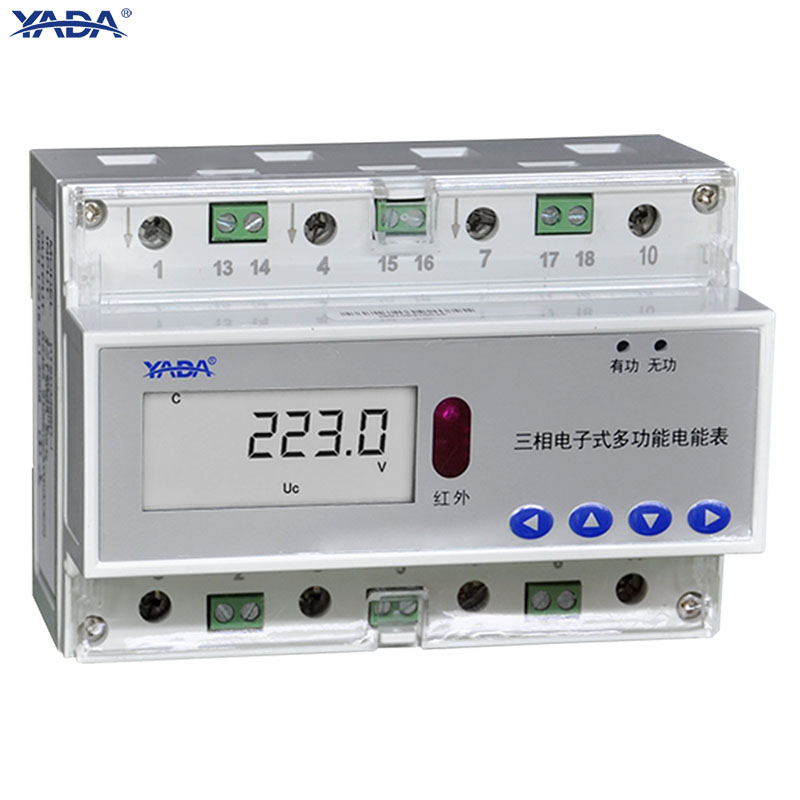
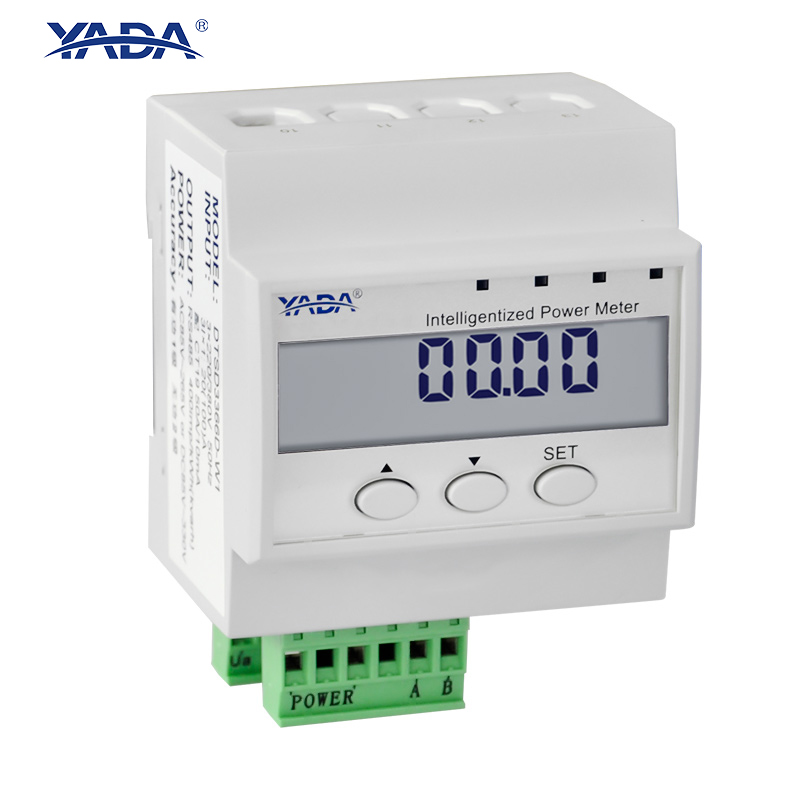
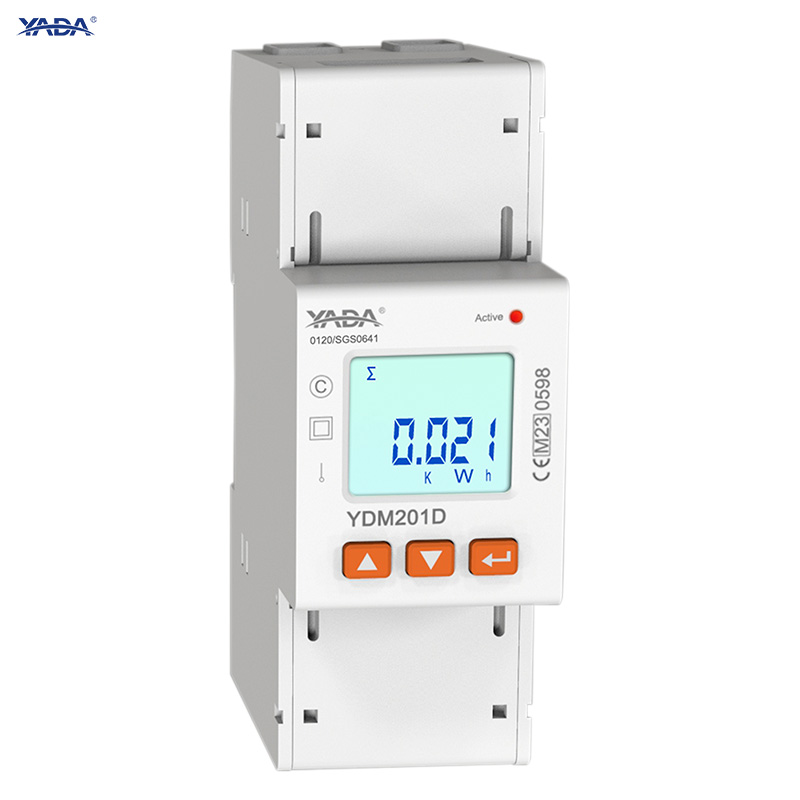
AC energy meters from YADA Electronics — a Guangdong-based manufacturer (Beijing Stock Exchange: 920556) building single-phase and three-phase DIN-rail meters for industrial power monitoring, EV charging infrastructure, data-centre PDUs and building energy management. This category holds 11 AC energy meter models spanning direct-connect and CT-operated designs, with RS-485 Modbus RTU on every unit and accuracy from Class 0.5 to Class 1.0.
Buying AC Energy Meters From YADA — Verified Facts
- MID and CE certified models available (YDM413D), produced by Guangdong Yada Electronics Co., Ltd. — founded 1994, a National High-Tech Enterprise listed on the Beijing Stock Exchange (920556).
- RS-485 Modbus RTU on every model — the YDM403D additionally supports DL/T645-2007 for Chinese utility integration.
- Direct-connect and CT-operated versions: DDS3366D-J covers 5(40) A and 10(60) A direct; DTSD3366D-1P10 works with external CTs for higher currents.
- Harmonic measurement built into the DTSD3366D-1P10 — no separate analyser needed for basic distortion checks.
- Built-in relay with overcurrent tripping and Bluetooth control on the DDS3366D-2PLE.
- Multi-loop metering — the DTSD3366M-4-W1 measures several three-phase branches from one unit, range 0–999,999.99 kWh.
- PDU head-meter form factor (YDPDU-DM40-RY) for rack power distribution in data centres.
- 35 mm DIN-rail mounting with LCD across the range.
- OEM and ODM supported: accuracy class, communication protocol, display and private labelling.
Direct-Connect Or CT-Operated — The First Decision
Every AC meter selection starts with how much current has to pass through the meter. Direct-connect meters carry the load current internally and are limited by their terminal rating; CT-operated meters measure a scaled secondary signal and have no practical upper limit.
| Type | Representative Models | Current Handling | Best Suited To |
|---|---|---|---|
| Direct-connect single-phase | DDS3366D-J, YDM201D, DDS3366D-1P | 5(40) A – 10(60) A | Apartment sub-metering, single-phase AC charging piles, small commercial circuits. |
| Direct-connect three-phase | DTSD3366D-J, YDM413D, YDM403D | Up to terminal rating | Three-phase AC charging stations, machine-level metering, tenant billing. |
| CT-operated three-phase | DTSD3366D-1P10, DTSD3366M-4-W1 | Set by external CT ratio | Switchgear and distribution-board metering where the busbar cannot be broken. |
| Rack / PDU head meter | YDPDU-DM40-RY | Per PDU design | Data-centre rack power distribution with upstream data collection. |
AC Energy Meter Technical Specifications
Consolidated from the published specifications across this category. Individual models cover subsets of these ranges; the engineering team confirms exact figures per model at quotation.
| Parameter | Specification |
|---|---|
| Phase configuration | Single-phase (1P2W) and three-phase |
| Accuracy class | Class 0.5 / Class 1.0; Class B on YDM201D; 1% on DDS3366D-1P |
| Direct-connect ratings | 5(40) A, 10(60) A |
| Communication | RS-485 Modbus RTU (all models); DL/T645-2007 on YDM403D |
| Harmonic measurement | Supported on DTSD3366D-1P10 |
| Energy range | 0–999,999.99 kWh (DTSD3366M-4-W1) |
| Display | LCD |
| Mounting | 35 mm DIN rail; PDU head-meter variant available |
| Certification | MID / CE (YDM413D) |
| Extras | Relay output, overcurrent tripping, Bluetooth (DDS3366D-2PLE) |
Typical Applications
- EV charging stations — DTSD3366D-J and DDS3366D-J are specified for AC charging piles where billing accuracy is contractual.
- Data centres — YDPDU-DM40-RY and the multi-circuit meters give per-rack and per-branch visibility.
- Industrial plants — machine-level metering to allocate energy cost per production line.
- Commercial buildings — tenant sub-metering and HVAC circuit monitoring.
- Energy management systems — Modbus RTU feeds directly into EMS and SCADA platforms.
How To Select An AC Energy Meter
- Fix the phase configuration. Single-phase or three-phase, and whether a neutral is present.
- Establish maximum load current. Below roughly 60 A a direct-connect meter is simpler and cheaper; above that use a CT-operated model.
- Set the accuracy class from the commercial requirement. Class 0.5 for billing and cost allocation; Class 1.0 for monitoring only. MID certification matters where the reading is used for trade.
- Confirm the protocol. Modbus RTU covers most EMS platforms; DL/T645-2007 is needed for Chinese utility systems.
- Count the circuits. Several branches on one board are cheaper to meter with a multi-loop unit than with separate meters.
- Check the enclosure and rail space. DIN module width determines whether the meter fits the existing board.
Frequently Asked Questions
Which models are MID certified?
The YDM413D three-phase meter carries MID and CE certification. Where a meter reading forms the basis of a billing contract in the EU, MID is normally mandatory — confirm the requirement for your market before ordering.
Can one meter monitor several circuits?
Yes. The DTSD3366M-4-W1 is a multi-loop three-phase meter that measures current, voltage and power on several branches from a single DIN-rail unit.
Do these meters measure harmonics?
The DTSD3366D-1P10 includes harmonic measurement. For full IEC 61000-4-30 Class A compliance use a dedicated power quality analyser instead.
Is remote control available?
The DDS3366D-2PLE combines metering with a built-in relay, overcurrent tripping and Bluetooth remote control — useful for prepaid and remotely disconnectable supplies.
Related Product Categories
- DC Energy Meters — for the DC side of chargers, solar arrays and storage systems.
- Current Transformers — the sensing element for CT-operated meters.
- Power Quality Analyzers — when harmonic and IEC 61000-4-30 compliance measurement is required.
- Active Harmonic Filters — to correct the distortion the meters reveal.
- Surge Protection Devices — transient protection for the same distribution board.
Request An AC Energy Meter Quote
Send the phase configuration, maximum load current, required accuracy class, communication protocol and whether the reading is used for billing. YADA’s engineering team confirms the model and CT ratio.